
The Role of Design Systems Explained
The design system is often what new startups don’t have in place when getting established, and the very thing that often underpins the first meaningful and strategic rebrand a company undertakes. In this blog, we will have a quick look at what a design system is in its cleanest and simplest form and how this approach can be applied and scaled up as a business grows. Understanding the principle behind a design system and applying well will support better visual communication, cleaner storytelling and in turn more sales and connection opportunities.
What is a brand system?
In its simplest form, a brand system is the combination of the core assets that make up a company’s identity; the logo, secondary marks, brand assets like illustrations or graphics, typography and its colour palette. The application of these assets in line with the brand guidelines, produced by the designer ensure clean and consistent application of the brand in the spaces it is experienced by its customers, clients and the public.
In some regards, it might seem too obvious, but applying your brand consistently, especially in the early days, can be much harder or easier to break than you think.
For example, mixing up your file types on your website leaves a white box around your logo, and instead of a transparent background and seamless overlay, suddenly you’re communicating that your customer experience is more off the shelf than bespoke. Maybe you decide that the primary brand colour is not quite right so you decide to tweak it in some online software and now you can’t remember what its hexadecimal number is and so each time you adjust it you get a slightly different colour, meaning the brand looks slightly different in each online platform and suddenly appears muddy when you print it out.
I’ll be honest, I could go on and on, but only because I have done all of them myself before I trained as a designer. Being able to apply your brand system gives you a foundation for your communications, allowing people to get to know who you are clearly. If you went to your favourite lunch spot each week and they always change 30% of the brand's core identity, you would be left wondering what was going on in the business to cause such confusion.
This doesn’t mean brands should never adapt, but a constant changing of templates, switching of fonts and improvising with colourways is not evolving your brand, it’s confusing it to your ideal customer. They want a consistent experience across touchpoints that builds trust and gives a consistent feeling and tone of voice. But what your customer is really seeing is a brand with an identity crisis. This is not all down to a business owner tinkering and breaking things, but also a reflection of start up and foundational design systems that don’t have a lot of scope and framework due to their smaller size, meaning they break or are outgrown more easily. (See our blog on what a visual identity is.)
After a while, this behaviour drifts so far from where the brand began that the owner will decide they need to start again and will opt for a strategic rebrand. Now, many reasons can drive this particular decision, but in this context, it usually comes with a degree of outgrowing their initial design system, if they had one at all. With a maturing business comes a clearer understanding of who they are and where they want to go in the future. However, within all of this also comes a desire to streamline and bring clarity to their communication.
Takeaway
A design system is the combined application of the design assets that make up your brand identity, usually in keeping with the brand guidelines or stylesheet, where present. This typically includes the logo, sub marks, brand assets and illustrations, typography, colour palette, and any specific image treatments (like the Fulcra blue halftone aged effect)
Beyond the basic design systems
Design systems can quickly become more complex and depend on the specific needs of the project and brand identity. Let’s take a look at a couple of examples now.
Sub brands or identities.
Let’s take the Fulcra client, Beluga Van Conversions. BVC is a regular on the vanlife festival scene around the UK and uses this as a way to showcase its custom campervan builds made from recycled and repurposed materials. Through this, they were asked to co-run a local event near their hometown. Since then, they have been contemplating running their own winter event to capture the out of season market and bolster their sales pipeline for the quieter months.
In this situation, BVC could opt for a new visual identity, but treat it as a sub-brand. In this example, the identity would have breathing space to become its own visual entity that adapts and communicates with its audience. However, through clever design and a well planned strategic design system, it could communicate through shared or complementary core elements (type, colour, tone of voice, illustration image treatments etc), this new identity can still be made to feel a part of the wider BVC visual identity, tying the two together and allowing the parent (BVC) to benefit from the increased exposure.
In this example, it is about making BVC feel like it has agency, and not appearing like a sponsorship position, while also not letting its own visual communication needs and brand impede on those needs of the festival as a separate business venture. A clear set of guidelines for applying the design system is what holds it all together. This also allows other creative teams that might work within the system the ability to expand on it, without breaking it, or undermining its design function and sensibilities, of which they may not be aware.
Flexible Visual Systems: I am a big fan of FVS as they are highly dynamic when executed well, offering more scope to apply a brand's visual communications in the widest possible settings, often very quickly.
At its core, the FVS turns some long held branding ideas on their head.
In the FVS the logo is not the central point of the brand, but merely a smaller element, often handled with a simple geometric form. The brand instead communicates through the application of geometric forms, graphic illustrations or image treatments, all within a predetermined application process (system). The brand often adopts a custom modular typeface (custom made, non traditional), and brand recognition is derived from the visual consistency drawn from the (flexible) application of these shared elements.
The Whitney Museum of Art, 2013 rebrand by Hillary Greenbaum is an excellent example of this in action, with its flexible W design. The 2023 branding for Moodly by the Woork showcases how they can be applied to bring a sense of modernity and the unexpected to a range of CBD and natural products. This approach, often due to its bold blend of graphic elements, colour and typography, also makes it a natural and strong choice for festival and event based branding and identities.
Think of FVS as the consistent sum of its parts on each application, rather than a brand sitting behind a single logo.
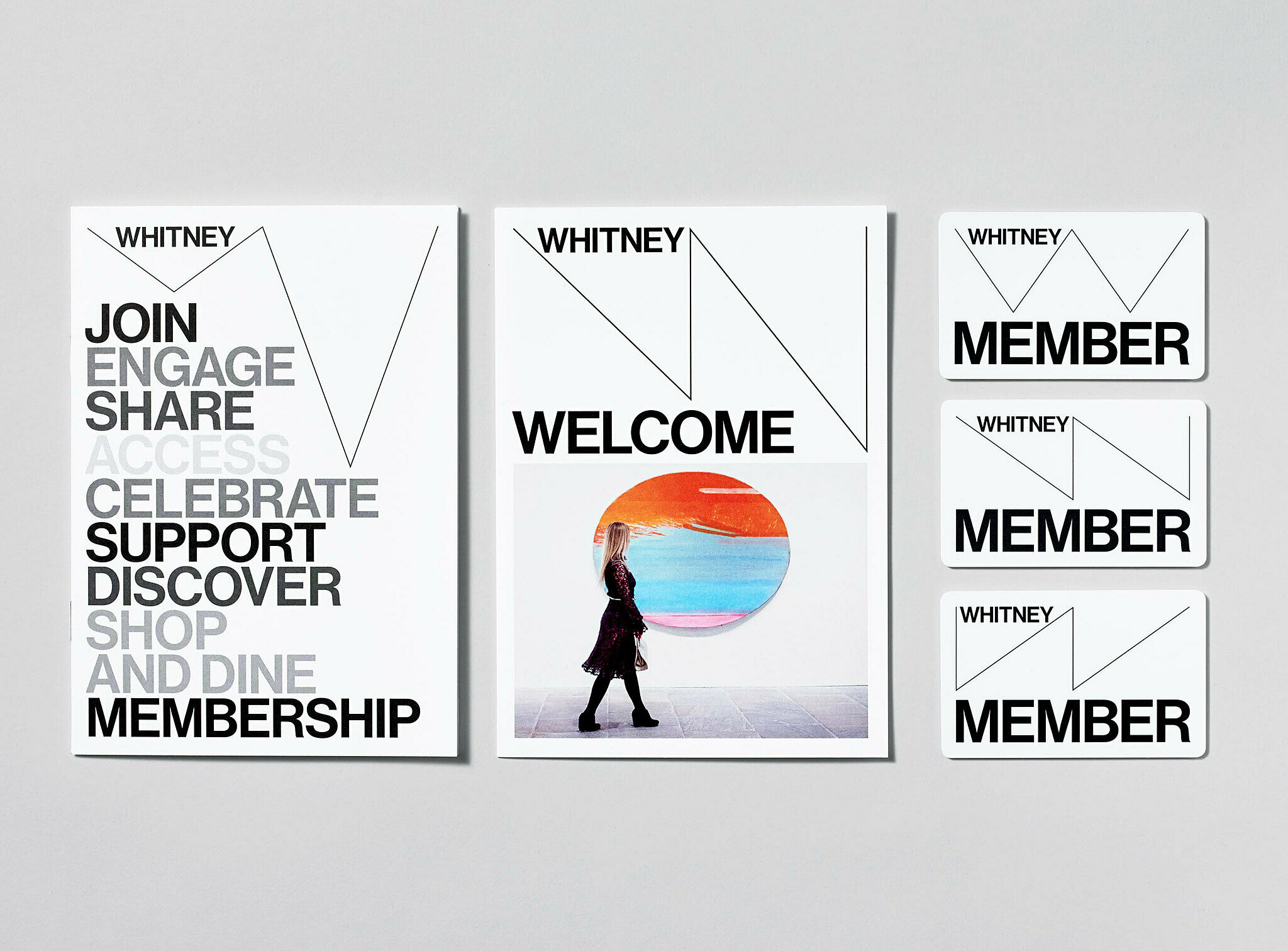
Credit: Whitney Museum of Modern Art Graphic Design System
Takeaway
Design systems aim to bring clarity and consistency to brand communication. Subbrands and flexible visual systems are just two ways in which branding can act more dynamically to communicate messages based on the company's needs and priorities. We have looked at simple and moderate level design systems, but with the proliferation of automation and agentic AI into business workflows, the possibilities for smaller businesses are expanding all the time. The complexity factor still means that for many, the ability to use them well isn’t always balanced against focusing on the core business functions. The reality is, when you couple your brand with creative coding and a flexible visual system, the limits of consistent application are truly powerful, if not distracting, when not required. My advice is to get the basics right first and then rebrand into the more complex visual design system as it supports your growth and communication, not the other way around.
If you would like to hear more about how we work with our clients and share the ambitions you have for your next project, why not book in a discovery call, no hard sales, just a chance to say hi and to see if we can help.